By Luis Lopez, AI transportation consultant, CEO of Go Hub.io Holdings Corp and subsidiaries, and host of the Freight Guru Podcast
Most AI coverage in trucking is written for large fleets and big brokerages. But the carrier with one to ten trucks is the one doing dispatch, billing, compliance and sales with the same two or three people. That is where an hour saved matters most.
You do not need an enterprise platform. Here is where a small carrier or owner-operator can get real value from AI today, in the order I would try it.
1. Get Paid Faster: Paperwork and Invoicing
The slowest part of a small carrier’s cash cycle is often the paperwork. Many trucking apps and TMS products now read a photo of a rate confirmation or bill of lading and fill in the load details, then build the invoice and attach the proof of delivery.
The result is an invoice sent the same day the load delivers, with fewer rejected packets. If you factor, a clean packet also means faster funding. For what should be on that paperwork, see what a rate confirmation is.
2. Read the Rate Confirmation Before You Sign It
General-purpose AI assistants are good at summarizing documents. Paste in the text of a rate confirmation or a broker-carrier agreement and ask for the payment terms, detention rules, fines and anything unusual. It takes a minute and catches clauses that are easy to miss at a truck stop.
Two cautions. Do not paste in anything you have agreed to keep confidential, and treat the summary as a first read, not legal advice. I listed the clauses that matter in broker-carrier agreements.
3. Check a Rate Against Your Real Costs
A rate only means something next to your cost per mile. Spreadsheet tools and AI assistants can build a simple calculator from your fixed and variable costs, then tell you what a load pays after deadhead, fuel and tolls. Use market rate tools for a sense of the lane, but make the decision on your own numbers.
If you have not worked out that figure yet, start with how to calculate your cost per mile.
4. Plan the Week, Not Just the Load
Load boards and carrier apps increasingly suggest reloads based on where your truck will be and when. For a small fleet, the value is in stringing loads together so a good outbound rate is not wiped out by a bad return. AI is a helpful second opinion here. You still know your lanes and your customers better than any app.
5. Vet the Broker and Protect Your Identity
Fraud cuts both ways. Small carriers get targeted by fake brokers and by criminals who steal a carrier’s identity to book loads. Verification tools check authority, bond status, contact details and credit history, and flag mismatches. Before any tool, do the basics: call the phone number listed in the federal registration records, not the one in the email.
6. Stay Ahead of Compliance Dates
Missed renewals take small carriers off the road: insurance, registration, permits, medical cards, drug and alcohol program requirements, quarterly fuel tax filings. Even a simple AI assistant can build a compliance calendar from your documents and remind you ahead of each deadline. Many fleet apps do this automatically.
7. Safety Coaching from the Camera
AI dash cameras flag hard braking, following distance and distraction. For a small fleet, the footage also protects the driver when the other vehicle caused the crash. Ask your insurer whether a camera program affects your premium.
8. Answer Customers and Write Better Emails
AI assistants are good at turning rough notes into a clear email: a rate quote, a detention request with times attached, a polite payment reminder, a capability statement for a shipper. For an owner who would rather drive than type, this alone is worth having.
What to Avoid
- Paying for a platform before you have a process. If your loads live in text messages, organize them first.
- Trusting a chatbot on regulations. Hours of service, weight limits and permit rules need to come from the official source. AI tools can state a wrong rule with complete confidence.
- Letting software book freight unattended. Auto-accepting loads without checking the broker and the rate is how carriers end up hauling for nothing.
- Sharing more data than you need to. Your customer list and rates are your business.
A Simple Starting Plan
- Pick the task that costs you the most hours each week. For most small carriers that is paperwork.
- Try one tool for thirty days and measure the time saved.
- Keep what works, drop what does not, and move to the next task.
The carriers who benefit from AI are not the ones with the most software. They are the ones who use a few tools to run a tighter operation.
For more practical guidance for carriers, subscribe to the Freight Guru Podcast.
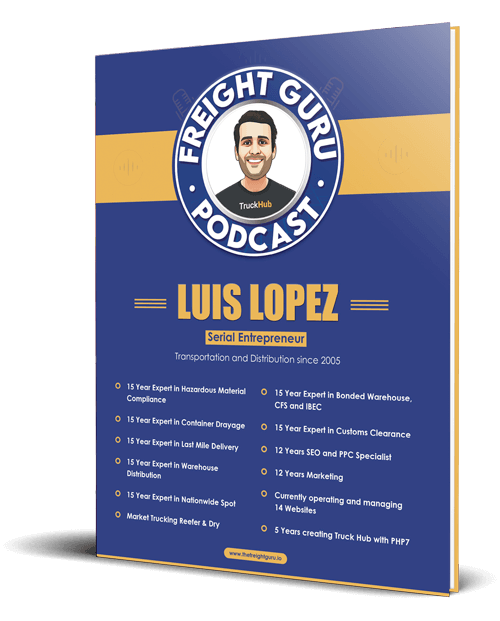
About the author: Luis Lopez is a Miami-based AI transportation consultant and logistics entrepreneur, the CEO of Go Hub.io Holdings Corp and subsidiaries, and host of the Freight Guru Podcast.