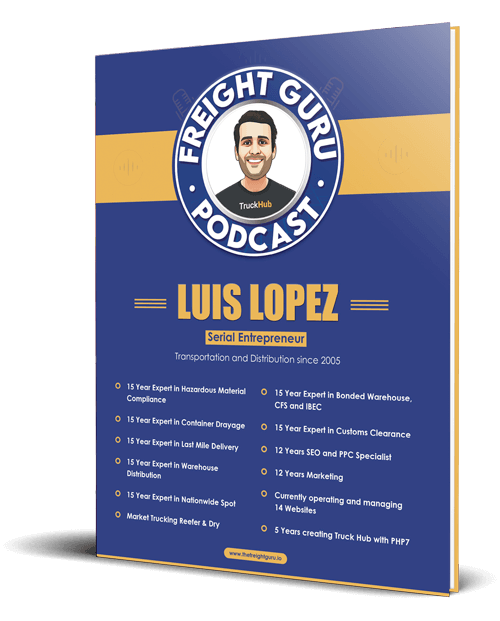
By Luis Lopez, AI transportation consultant, CEO of Go Hub.io Holdings Corp and subsidiaries, and host of the Freight Guru Podcast
Double brokering has become one of the most discussed risks in trucking. A load is tendered to what looks like a legitimate carrier, a different truck shows up, and somewhere along the way the freight disappears or the carrier that actually hauled it never gets paid. When that happens, everyone involved asks the same question: who is responsible?
The answer depends on the contracts, the facts and the roles each party actually played. This article explains how these schemes work, how liability is generally analyzed, and what shippers, brokers and carriers can do to protect themselves.
What Double Brokering Is
Double brokering occurs when a company that accepted a load as the carrier hands it to another carrier without the knowledge or consent of the party that tendered it. It takes several forms:
- Unauthorized re-brokering. A real motor carrier accepts a load and gives it to another carrier, keeping part of the rate, even though it has no broker authority or its agreement forbids it.
- Identity theft. A fraudster impersonates a legitimate carrier or broker using stolen credentials, a similar-looking email domain or a hijacked load board account.
- Payment fraud. The fraudster poses as a carrier to the real broker and as a broker to the real carrier, collects payment from the first and never pays the second.
- Cargo theft. The load is redirected to a different location and stolen outright.
Not every case of a carrier passing freight along is criminal. But when it is done without authority or consent, it breaks the chain of accountability that shippers and brokers rely on.
What the Law Says About Brokering Without Authority
Arranging transportation for compensation in interstate commerce generally requires broker registration with the Federal Motor Carrier Safety Administration. A motor carrier’s operating authority allows it to haul freight; it does not by itself allow the carrier to broker loads to others.
Federal law addresses this directly. Under 49 U.S.C. 14916, a person may not provide interstate brokerage services unless registered and in compliance with the financial security requirements. The statute provides for civil penalties and for liability to injured parties, and it reaches individuals who knowingly authorize or permit the violation. FMCSA publishes guidance on registration and on reporting suspected fraud on its website at fmcsa.dot.gov.
Enforcement is a separate matter from the statute. In practice, the parties harmed by a scheme usually end up resolving the loss among themselves and their insurers.
How Liability Is Generally Sorted Out
Cargo loss or damage
Liability for interstate cargo loss is governed mainly by the Carmack Amendment, 49 U.S.C. 14706, which makes motor carriers liable for loss or damage to goods they transport. The details are in the Carmack Amendment explained.
Double brokering complicates this. The company named on the paperwork may never have touched the freight, and the company that did may have had no relationship with the shipper. A carrier that accepted the load and passed it along can still face liability for a loss it agreed to be responsible for. The carrier that physically hauled the freight may face liability as well.
The broker’s exposure
A true broker arranges transportation and is generally not liable under Carmack as a carrier. That protection is not automatic. Courts look at how the company actually behaved. A broker that represented itself as the carrier, issued its own bill of lading as carrier, or contractually accepted responsibility for the cargo may be treated as one. Separately, a shipper may claim the broker was negligent in selecting the carrier. How far such claims can go under federal law has been heavily litigated and remains an area to discuss with counsel.
The broker’s contract with the shipper matters a great deal. Many shipper-broker agreements assign cargo responsibility to the broker by contract, regardless of the default legal rule.
The unpaid carrier
When the carrier that hauled the load was hired by a fraudster, it often seeks payment from the original broker or the shipper. Whether it can recover depends on the bill of lading terms, the contracts in the chain, whether the shipper or broker already paid someone else, and applicable law. Brokers in this position can face a demand to pay twice for the same load. The surety bond or trust fund that registered brokers must maintain exists to cover unpaid freight charges, but a single bond is limited and may face many claims; see freight broker bond requirements.
Insurance gaps
Insurance does not always respond the way parties expect. A motor carrier’s cargo policy typically covers freight in that carrier’s care, on scheduled equipment, subject to exclusions. If the insured carrier never had the load, or if the policy excludes losses where the freight was voluntarily handed to an impostor, coverage may be denied. Contingent cargo policies held by brokers have their own conditions. The difference between a carrier’s legal liability and actual insurance on the goods is explained in cargo insurance vs. carrier liability.
Warning Signs
- An email domain that is slightly different from the carrier’s real one, or a free email account
- Contact details that do not match the carrier’s federal registration record
- Recently changed phone numbers, addresses or company officers
- A carrier willing to take a load well below the market rate, or unusually eager to book high-value freight
- Pressure to book immediately without normal onboarding
- A driver, truck or trailer at pickup that does not match the dispatch information
- Requests to change the delivery address after pickup
- Refusal to provide tracking or driver contact information
How to Reduce the Risk
For brokers and shippers
- Verify authority and insurance at the source. Check the carrier’s registration in FMCSA’s public records and confirm insurance with the agent or insurer directly, not from a certificate the carrier emails.
- Call back on a verified number. Use the phone number in the federal registration record, not the one in the email signature.
- Prohibit re-brokering in writing. A clear clause, with consequences, belongs in every agreement. See broker-carrier agreement clauses that prevent lawsuits.
- Match the truck at pickup. Have the shipping dock confirm the carrier name, DOT number, driver identity and trailer number against the dispatch before loading.
- Require tracking on the truck that is actually hauling the load.
- Insure high-value freight directly rather than relying on carrier liability.
For carriers
- Verify the broker the same way: registration, bond status and a call to a verified number.
- Compare the paperwork. If the bill of lading names a different carrier or broker than your rate confirmation does, stop and ask questions before loading.
- Protect your credentials. Guard load board logins and registration account access, and monitor your federal record for changes you did not make.
If It Happens
Act quickly. Notify every party in the chain in writing, preserve all emails, rate confirmations, bills of lading and tracking records, and contact your insurer. Report cargo theft to law enforcement and report suspected fraud to FMCSA through its complaint system. Involve a transportation attorney before paying a disputed claim or making statements about fault.
The Bottom Line
Double brokering shifts loss onto whoever did the least verification. Liability turns on the contracts and on what each party actually did, and insurance may not fill the gap. Careful vetting, written prohibitions and a check at the dock are far cheaper than sorting out responsibility afterward.
For more on managing risk in freight, subscribe to the Freight Guru Podcast.
About the author: Luis Lopez is a Miami-based AI transportation consultant and logistics entrepreneur, the CEO of Go Hub.io Holdings Corp and subsidiaries, and host of the Freight Guru Podcast.
This article is general information for the freight community, not legal advice. Talk to a transportation attorney about your specific situation.