By Luis Lopez, CEO of Go Hub.io Holdings Corp and subsidiaries, and host of the Freight Guru Podcast
Hazardous materials shipping is a business of details. The right UN number, the right packing group, the right label, the right words on the shipping paper, in the right order. A mistake can mean a rejected shipment, a fine, or something far worse. Most hazmat errors are not caused by bad intent. They are caused by a busy person working from memory.
That makes hazmat a natural fit for AI as a second set of eyes. It does not make AI the shipper. Here are ten ways it can help, and the limits that come with each.
1. Classifying Products from Safety Data Sheets
Classification starts with the safety data sheet. AI can read an SDS, pull the transport section, and suggest the UN number, proper shipping name, hazard class and packing group. This speeds up onboarding a new product line. The suggestion still has to be confirmed by someone trained, because SDS documents are often incomplete or out of date.
2. Checking Shipping Papers Before the Truck Leaves
The hazmat regulations in 49 CFR set out exactly what a shipping paper must show and in what sequence. Software can check each document for missing or out-of-order entries, a missing emergency response number, or a quantity that does not match the packaging. Catching it at the desk is far cheaper than catching it at a roadside inspection.
3. Segregation and Load Compatibility
Some hazard classes cannot ride together or must be separated. When a load plan is built, AI can check it against the segregation rules and flag conflicts before the freight is on the trailer. In a warehouse, the same logic applies to what can be stored next to what.
4. Placarding and Marking Decisions
Whether a load needs placards, and which ones, depends on the classes and quantities on board. A rules engine can total the load and tell the dispatcher and driver what is required. Camera systems can also confirm that the labels and placards on the freight match the paperwork.
5. Spotting Undeclared Dangerous Goods
Undeclared hazmat is one of the biggest risks in the supply chain, especially lithium batteries, aerosols, perfumes and cleaning products shipped as general cargo. AI can scan product descriptions on bookings and commercial invoices for terms that suggest regulated goods and send them for review. Many shippers honestly do not know their product is regulated.
6. Translating Between Modes
A shipment that moves by truck, ocean and air falls under three rule sets: the U.S. hazmat regulations, the IMDG Code and the IATA Dangerous Goods Regulations. Requirements for packaging, quantity limits and documentation differ. AI can compare the requirements for a given UN number across modes and point out where a package acceptable for ground is not acceptable for air.
7. Tracking Training and Certifications
Hazmat employees must be trained and retrained on a recurring schedule, and drivers need the right endorsement. Software can track who is current, who is coming due, and who handled a shipment they were not qualified for. This is simple automation, and it is the item auditors ask about first.
8. Carrier and Route Checks
Not every carrier is authorized or insured for every class, and some materials have routing restrictions through tunnels and urban areas. AI can check the carrier’s authority and coverage against the load and suggest compliant routes.
9. Keeping Up with Rule Changes
The air and ocean rule books are revised on a regular cycle, and U.S. rules change through rulemaking. AI can summarize what changed and which of your products are affected. Treat those summaries as a starting point and verify against the official text.
10. Incident Response and Record Keeping
When something leaks or is damaged, the driver needs the right emergency information immediately. AI assistants can surface the correct guidance for the material on board and help assemble the incident report afterward. Good records also matter if a regulator or a court later asks what you knew and when.
The Limit That Matters Most
The person who signs the shipper’s certification is declaring that the shipment is properly classified, described, packaged, marked and labeled. That responsibility cannot be delegated to software. If an AI tool suggests the wrong packing group and a trained employee signs without checking, the company is still responsible.
So use AI the way you would use a careful junior clerk:
- Let it prepare and check.
- Require a trained person to review and sign.
- Keep the regulations themselves as the final authority, not the tool’s summary of them.
- Be cautious with general-purpose chatbots. They can state a wrong UN number with complete confidence.
Where to Start
If you ship or haul hazmat regularly, the two highest-value steps are automated shipping-paper checks and screening bookings for undeclared goods. Both reduce the most common violations without changing who is responsible.
Hazmat mistakes are also a liability issue. For how responsibility is divided when freight is damaged, see cargo insurance vs. carrier liability and the most common freight lawsuits.
For more on compliance and freight technology, subscribe to the Freight Guru Podcast.
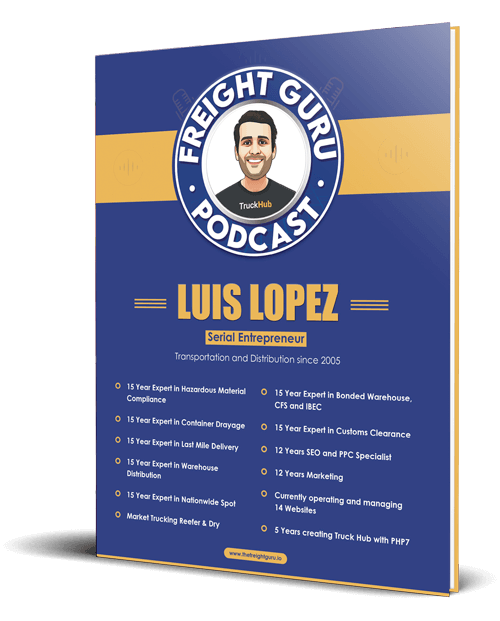
About the author: Luis Lopez is a Miami-based logistics entrepreneur, the CEO of Go Hub.io Holdings Corp and subsidiaries, and host of the Freight Guru Podcast.