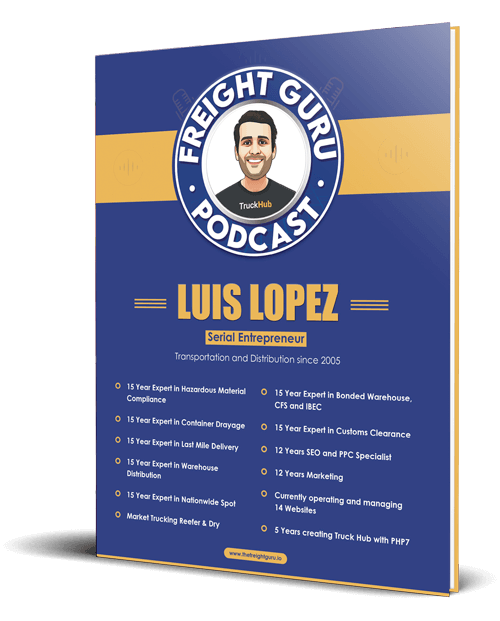
By Luis Lopez, AI transportation consultant, CEO of Go Hub.io Holdings Corp and subsidiaries, and host of the Freight Guru Podcast
For new motor carriers, insurance is often the biggest shock on the startup budget. The question we hear most is simple: how much does commercial truck insurance cost? The truthful answer is “it depends,” but the factors that decide your premium are well known. This guide explains the coverages you need, what drives your quote, and how to put together a stronger application so you pay less.
The Coverages a New Authority Typically Needs
- Primary auto liability. Required by federal rules for for-hire carriers. It pays for injury and property damage you cause to others. Federal minimums vary by cargo type, and many brokers and shippers require higher limits than the legal minimum.
- Physical damage. Covers damage to your own tractor and trailer from collisions, fire, theft and similar events. Lenders usually require it on financed equipment.
- Motor truck cargo. Covers freight you haul if it is lost or damaged. Learn how it differs from your legal responsibility in cargo insurance vs. carrier liability.
- General liability. Covers claims not related to driving, such as premises incidents.
- Non-trucking liability or bobtail. For leased-on owner-operators when not under dispatch.
- Workers’ compensation or occupational accident. Depending on your state and whether you have employees or are an owner-operator.
- Trailer interchange and reefer breakdown for those who pull trailers they do not own or haul temperature-controlled freight.
What Drives the Price
Insurers price commercial trucking risk based on a combination of the following:
- Driver history. Violations, at-fault accidents and years of verified commercial driving experience matter enormously. New authorities with inexperienced drivers pay more.
- Authority age. A brand-new MC number has no safety record, which many underwriters treat as higher risk. Insurers often prefer carriers with some operating history.
- Equipment. Truck age, value and type affect physical damage cost. Specialized equipment costs more to insure.
- Commodity. Hauling electronics or other theft-prone freight costs more to insure than hauling dry goods. Hazmat requires higher limits.
- Radius and lanes. Long-haul and operations in congested corridors have more exposure. Some states are more expensive because of litigation climate. See nuclear verdicts and small-fleet protection for why liability costs have been rising.
- Fleet size and mileage. More trucks and more miles mean more exposure.
- Safety management. Documented driver qualification files, ELD data, camera systems and a drug and alcohol program help your case.
- Credit and financial strength. Some insurers factor financial stability into pricing.
Why New Authorities Often Pay More
New carriers do not have a loss history that proves they are safe. Underwriters price that uncertainty. Many new authorities are quoted from nonstandard or specialty markets, and a number of carriers need a larger down payment. The goal is to earn your way to standard pricing by building a clean record over the first couple of years. Do not let a bad first quote discourage you. Build a plan.
Realistic Budgeting
We will not publish a single price per truck because rates swing widely with the factors above, and any figure would mislead someone. What we can say is this: budget for insurance as one of your largest fixed costs, plan for a meaningful down payment, and request multiple quotes before you commit. Insurance affects your cost per mile directly, so include it when you calculate break-even rates. Your quote should also feed into your trucking business plan.
Required Filings and Authority Basics
Your insurer files proof of coverage with the federal government for your operating authority. Without active filings, your authority can be revoked or never become active. Brokers and shippers will also ask for a certificate of insurance and may require specific minimum limits and additional insured wording. If you are still getting authority, read how to get your MC number, and plan the timing of insurance with it.
How to Lower Your Commercial Truck Insurance Cost
- Hire carefully. A single driver with a poor record can drive your premium up for years. Pull motor vehicle records and verify experience.
- Raise your deductible if you have cash reserves to cover it. A higher deductible lowers the premium.
- Work with an independent trucking insurance agent who can shop multiple markets rather than a single company.
- Install safety technology. Dash cameras and telematics can lower claims and sometimes lower pricing.
- Keep paperwork clean. Driver files, inspection records and maintenance logs show underwriters that you manage risk.
- Avoid unnecessary coverage gaps. A lapse in coverage can hurt your authority and raise future quotes.
- Match coverage to your customers. Do not buy limits far beyond what you need, but do not buy less than your contracts require.
- Pay attention to safety scores. Roadside inspection results and accident history follow you. Our episode on DataQs explains how to challenge inaccurate violations.
Insurance and Your Legal Risk
Insurance is not the same as legal protection. Contract terms, accident response and cargo claims handling all affect your exposure. A well-run claims process reduces losses and shows insurers you are a responsible operator. See how to handle freight claims that actually get paid and understand the Carmack Amendment.
Questions to Ask Before You Buy
- What are the limits, deductibles and exclusions on each coverage?
- Are there any restrictions on commodities, radius or driver age?
- How is the down payment calculated and when is the balance due?
- Is the policy cancelable for non-payment, and how will I be notified?
- How are claims reported and who handles them?
Final Thoughts
Commercial truck insurance is expensive, but it is also one of the few costs you can manage actively. Build a safe, well-documented operation, compare multiple quotes and plan your pricing around your real costs. Note: this article is general information, not insurance or legal advice. Talk with a licensed trucking insurance agent about your own situation.
Learn from carriers who have been there. Subscribe to The Freight Guru podcast, including our episode on freight insurance.
About the author: Luis Lopez is a Miami-based AI transportation consultant and logistics entrepreneur, the CEO of Go Hub.io Holdings Corp and subsidiaries, and host of the Freight Guru Podcast.