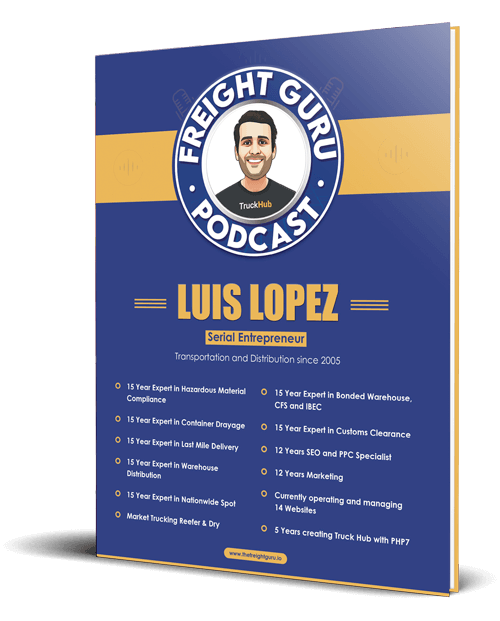
By Luis Lopez, AI transportation consultant, CEO of Go Hub.io Holdings Corp and subsidiaries, and host of the Freight Guru Podcast
Most freight damage claims are won or weakened in the first few minutes after the truck arrives. The driver is standing at the dock, the receiver is busy, and someone signs the delivery receipt without looking closely at the freight. That signature, and what is written above it, can shape the whole claim. Here is what I recommend doing before you sign.
The legal backdrop in plain terms
For shipments moving between states by motor carrier, cargo loss and damage claims generally fall under the Carmack Amendment, 49 U.S.C. 14706. In general terms, it makes the carrier responsible for loss or damage to the freight it takes in, subject to limited defenses and to the terms of the contract. I cover the framework in more detail in my article on the Carmack Amendment and cargo liability.
Two timing rules are worth knowing. A carrier cannot give a claimant less than nine months to file a written claim, and it cannot give less than two years to file suit after the carrier issues a written denial. Those are minimums, so read the bill of lading and the carrier’s terms for the specifics that apply to your shipment. If a situation is complicated or the amount is significant, talk to a transportation attorney.
Before you sign: the dock checklist
1. Inspect the freight before the driver leaves
Do not sign first and inspect later. Check the pallets, cartons, wrapping and seals. Compare the piece count to the paperwork. Look for crushed corners, torn packaging, wet or stained cartons, shifted loads, broken pallets and missing pieces. If the freight is on a trailer, check the condition of the trailer interior and the load pattern as well, since that can help show how the damage happened.
2. Note visible damage or shortage on the delivery receipt
If you see damage or a shortage, write it on the delivery receipt before you sign. Be specific. “Damaged” is weak. A note that describes what you saw, such as “two cartons crushed, one pallet wrap torn, three pieces short,” is much stronger. Make sure the driver sees the notation and, if possible, signs or initials next to it. Get a copy of the marked receipt before the driver leaves.
A clean signature suggests the freight arrived in good condition. It does not automatically end your claim, but it gives the carrier an argument you then have to overcome. Do not hand it to them for free.
3. Take photos
Photograph the freight as it sits on the truck, as it is unloaded, and again once it is on the dock. Capture wide shots to show context and close-ups to show detail. Include the packaging, labels, pallet condition, the trailer interior and the delivery receipt with your notation. Photos taken at the dock carry more weight than photos taken hours later in a warehouse.
4. Keep the packaging
Do not throw away the cartons, pallets or wrapping. The carrier may want to inspect the damaged freight and its packaging. If the product is discarded or repackaged before anyone looks at it, you give the carrier an easy reason to challenge the claim. Set the damaged freight aside, label it, and do not disturb it until the claim is resolved or the carrier releases it.
5. Do not refuse everything by reflex
Refusing a whole shipment has consequences for storage, returns and your customer. Often the better approach is to accept the freight with exceptions clearly noted. If you are unsure, call the shipper or the carrier’s claims contact first.
What if the damage is not visible?
Sometimes the carton looks fine and the damage is inside. This is usually called concealed damage, and it is discovered after delivery when the freight is opened or put away.
Report it to the carrier as soon as you find it. Stop unpacking, keep the packaging and contents as they are, take photos and put your report in writing. The reporting window for concealed damage is set by the carrier’s tariff or the governing classification rules, so check those documents instead of assuming a deadline. The sooner you report it, the easier it is to show the damage happened in transit and not later in your building.
File the written claim
A phone call is not a claim. A proper claim is written and includes a specific dollar amount. Gather the supporting documents and send them together:
- The bill of lading and delivery receipt, including your damage notation
- The commercial invoice or other proof of the value of the freight
- Photographs of the freight, packaging and trailer
- A description of the damage and the quantity affected
- Repair or replacement estimates, if applicable
- Any correspondence with the carrier or the shipper about the problem
Keep copies of everything you send and track the dates. The carrier is expected to acknowledge and investigate the claim, but do not wait passively. Follow up in writing. My guide on how to file a freight claim that actually gets paid walks through the process step by step.
Who files the claim?
Generally, the party with the loss interest in the freight, whether that is the shipper, the consignee or the owner of the goods, has standing to file. In practice, this should be settled before the freight moves, not after it is damaged. If you buy or sell on terms that shift risk at a certain point, know who owns the claim. Also confirm what protection is in place. The carrier’s liability may be limited by the contract or tariff, and that limit can be lower than the value of your goods. See my article on cargo insurance vs. carrier liability for how those pieces fit together.
Prevent problems at the start
Accurate descriptions, piece counts and weights on the bill of lading make a damage claim easier to prove, and good palletizing reduces the odds of damage in the first place.
Bottom line
Before you sign: inspect, note exceptions on the delivery receipt, take photos and keep the packaging. After you discover concealed damage: report it quickly and check the carrier’s tariff for the window. Then file a written claim with a dollar amount and the documents to back it up. None of this guarantees payment, but it keeps your position intact.
For more on freight and logistics, subscribe to the Freight Guru Podcast.
About the author: Luis Lopez is a Miami-based AI transportation consultant and logistics entrepreneur, the CEO of Go Hub.io Holdings Corp and subsidiaries, and host of the Freight Guru Podcast.
This article is general information for the freight community, not legal advice. Talk to a transportation attorney about your specific situation.