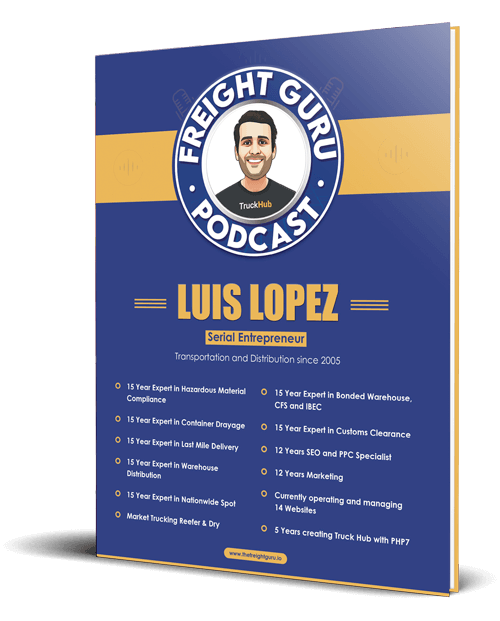
By Luis Lopez, AI transportation consultant, CEO of Go Hub.io Holdings Corp and subsidiaries, and host of the Freight Guru Podcast
If you are a new carrier and you have ever been handed a stack of forms before getting your first load, it can feel like a hurdle. It is not busywork. The carrier onboarding packet is how a broker decides whether you are a real, insured, authorized motor carrier before putting a customer’s freight on your truck. Understand what is in it and why, and you will get approved faster and avoid delays on the loads you want.
Why brokers onboard carriers at all
A broker arranges transportation but does not usually haul the freight. That means the broker is trusting someone else with the customer’s cargo, and its reputation, contracts and exposure depend on that choice. Onboarding is the screening step. It confirms who you are, whether you are legally allowed to haul, whether you have insurance if something goes wrong, and what the terms of the relationship will be.
It is also a fraud-prevention step. Identity theft, fake carriers and unauthorized subcontracting are real problems in this industry. A proper packet makes them harder. For more on that risk, see my article on double brokering and freight fraud liability.
What is in a typical packet
1. FMCSA operating authority
Brokers verify that your operating authority is active with the Federal Motor Carrier Safety Administration. This is the basic proof that you are authorized to haul regulated freight for hire. Expect the broker to look you up, so make sure the legal name, address and other details on your paperwork match what the agency has on file. Mismatches are one of the most common reasons approvals stall.
2. Certificate of insurance
The insurance certificate shows what coverage you carry and who the insurer is. Brokers look at it to confirm that the coverage is active, that the limits fit what their customers require, and that the certificate holder and details are correct. Many brokers also ask to be listed as a certificate holder.
Coverage limits requested vary by broker and by customer, so do not assume what one broker accepts will satisfy another. If you are unsure how cargo coverage differs from your legal liability as a carrier, read my explainer on cargo insurance vs. carrier liability.
3. Form W-9
The W-9 gives the broker your legal name, tax classification, address and taxpayer identification number so it can pay you and report payments correctly. The name on the W-9 should match your authority and your insurance certificate. If you operate under a trade name, make sure the paperwork connects the dots.
4. Signed broker-carrier agreement
This is the contract that sets the rules: how loads are tendered, how you are paid, who is liable for what, whether you may subcontract the load, and how disputes are handled. It is the most important document in the packet, and carriers sign it too quickly more often than any other.
Read it. Pay attention to payment terms, indemnity language, claims procedures and any restriction on re-brokering or assigning loads. My article on broker-carrier agreement clauses covers the provisions that tend to matter most. If something is unclear or one-sided, ask questions before you sign, and consider having an attorney review it.
5. Payment and contact details
Expect to provide remit-to information, billing contacts, dispatch contacts and sometimes an emergency number. Brokers use these to pay you and to reach someone when a load needs attention. Accurate details here prevent late payments and missed updates.
6. Other items some brokers request
Some brokers add their own requirements. These can include references, safety information, equipment details, or other documents tied to a specific customer or commodity. Requirements vary, so ask each broker for its full list at the start rather than discovering it one document at a time.
Why details matter more than speed
It is tempting to rush through the packet to get to the first load. Resist that. Small errors cause the biggest delays: a name that differs between documents, an expired certificate, a missing signature, or a W-9 with an old address. Each one triggers a back-and-forth that can cost you days.
A checklist you can reuse
- Active operating authority, with the legal name and address matching your other documents
- A current certificate of insurance that lists the correct insurer, coverage and certificate holder
- A completed, signed W-9 with matching legal name
- A signed broker-carrier agreement you have actually read
- Remit-to, billing and dispatch contact information
- Any additional documents the broker lists in its onboarding instructions
Keep digital copies of all of these in one folder. When a new broker asks for a packet, you can respond in minutes instead of hunting through email.
After you are approved
Approval is not the end of the relationship. Keep your insurance current and send updated certificates when your policy renews. Notify the broker if your contact or payment information changes. And before every load, confirm the terms in writing. A signed rate confirmation sets the price and the details of that specific shipment, and it works alongside your general agreement.
If you are still building your book of business, my guide on how to find freight as a new carrier will help you decide where to spend your time.
Red flags carriers should watch for
Onboarding runs both ways. You are also deciding whether the broker is worth working with. Be cautious if a broker asks for unusual payments, refuses to give you a written agreement, will not explain its payment terms, or pushes you to haul before the paperwork is complete. A legitimate broker expects you to ask questions and take your time.
Bottom line
The packet exists to verify that you are authorized, insured, identifiable and clear on the terms. Brokers check your operating authority, your insurance certificate, your W-9 and your signed agreement because each answers a specific risk. Prepare the documents in advance, keep them consistent, and read the agreement before you sign. That is the fastest way to turn onboarding from a hurdle into a routine.
For more on freight and logistics, subscribe to the Freight Guru Podcast.
About the author: Luis Lopez is a Miami-based AI transportation consultant and logistics entrepreneur, the CEO of Go Hub.io Holdings Corp and subsidiaries, and host of the Freight Guru Podcast.