By Luis Lopez, AI transportation consultant, CEO of Go Hub.io Holdings Corp and subsidiaries, and host of the Freight Guru Podcast
AI dispatch and load matching is one of the most talked-about uses of artificial intelligence in trucking. The pitch is simple: software looks at your trucks, your drivers, and the available freight, then proposes the best pairings. I have spent years around dispatch desks in South Florida, across drayage, LTL, and truckload, and I can tell you the idea is sound. The execution is where things get complicated.
This article explains what these tools actually do, where they help, where they break, and how to decide whether one belongs in your operation.
What AI load matching actually does
At its core, load matching is a sorting problem. A dispatcher has a set of trucks and drivers with different locations, equipment types, and available hours. There is also a set of loads with pickup windows, delivery windows, weights, and equipment requirements. The goal is to pair them so trucks run full, miles stay productive, and customers get served on time.
Software has done basic versions of this for years using fixed rules. The newer tools add machine learning, which means the system learns patterns from past data rather than following only the rules someone typed in. Typical inputs include:
- Truck and trailer location, equipment type, and capacity
- Driver hours of service remaining and home-time preferences
- Load pickup and delivery windows, weight, and special handling needs
- Historical lane performance, such as typical dwell time at a given facility
- Customer preferences and past service issues
The output is usually a ranked list of suggested matches, or in some tools an automatic assignment that a human can approve or override.
Where it genuinely helps
Speed on repetitive decisions
A dispatcher juggling dozens of loads can lose a lot of time scanning options. A tool that narrows the field to a handful of sensible choices saves real effort, especially on high-volume, repeatable lanes.
Catching empty miles
People tend to think about the next load. Software can look further ahead and flag a pairing that leaves a truck empty and far from its next pickup. That kind of pattern is easy for a person to miss on a busy day.
What it gets wrong
This is the part vendors tend to skip. Load matching tools fail in predictable ways.
Bad data in, bad matches out
If truck locations are stale, driver hours are wrong, or appointment windows were typed in incorrectly, the match will look confident and still be wrong. I cover this at length in what AI cannot do in freight data quality. In my experience, data problems cause far more failures than the algorithm does.
Unwritten rules
Every operation has knowledge that lives in people’s heads. A certain terminal is slow on Mondays. A particular receiver rejects late arrivals. A driver is not certified for a certain commodity. In hazmat work especially, endorsements and handling restrictions are not optional. If the tool does not know a rule, it cannot follow it.
Local conditions
Port congestion, bridge delays, weather, and facility backlogs change by the hour. A model trained on past patterns can lag behind what is happening at the gate today.
Relationships and judgment
Sometimes the right call is to give a load to a driver who needs the miles, or to protect a customer who has been patient through a rough week. Software does not weigh that. A dispatcher does.
Overconfidence
A ranked list looks authoritative. People start accepting the top suggestion without thinking, and that is when errors slip through. The tool should support a decision, not replace one.
Questions to ask before you adopt one
- What data does it need, and can we supply it reliably? If you cannot keep your location and hours data current, stop here.
- Can we enter our own rules? Equipment, endorsements, customer restrictions, and facility quirks should be configurable.
- Can a dispatcher see why a match was suggested? If the reasoning is hidden, you cannot catch mistakes.
- Is a human approval step built in? Automatic assignment without review is a risk for most small and mid-size operations.
- How does it handle exceptions? Ask what happens when a load is delayed, a truck breaks down, or an appointment moves.
- How does it connect to what we already use? A matching tool that does not talk to your dispatch or transportation management system creates double entry.
For a structured way to vet vendors, see how to evaluate an AI vendor for trucking and logistics.
Who benefits most
Larger operations with high volume and clean data tend to see the clearest gains, because there are more decisions to optimize and enough history for the system to learn from. Smaller carriers can benefit too, but they should be realistic. If you run a handful of trucks and know every driver and customer personally, the tool may add less than a good dispatcher does. I discuss that tradeoff in AI for small carriers and owner-operators.
Also consider the broader picture. Matching is one piece of a larger shift, which I outline in the top 10 ways AI is changing LTL and truckload shipping.
How to roll it out without getting burned
- Start in suggestion mode. Let the tool recommend while your dispatchers keep making the call.
- Compare its picks to yours. Track where it disagrees with your best dispatcher, and find out who was right.
- Clean your data first. Fix location updates, equipment records, and appointment entry before you blame the software.
- Keep a human accountable. A named person should own every assignment, no matter who or what suggested it.
The bottom line
AI dispatch and load matching is a useful assistant. It is not a replacement for a dispatcher who knows the lanes, the customers, and the drivers. It performs well on clean data and repeatable work, and poorly on exceptions, local knowledge, and judgment calls.
If you adopt one, treat it like a new hire: give it good information, check its work early, and expand its responsibility only as it earns trust. That approach protects your service levels and your drivers, and it gets you the benefit without the surprises.
For more on freight and technology, subscribe to the Freight Guru Podcast.
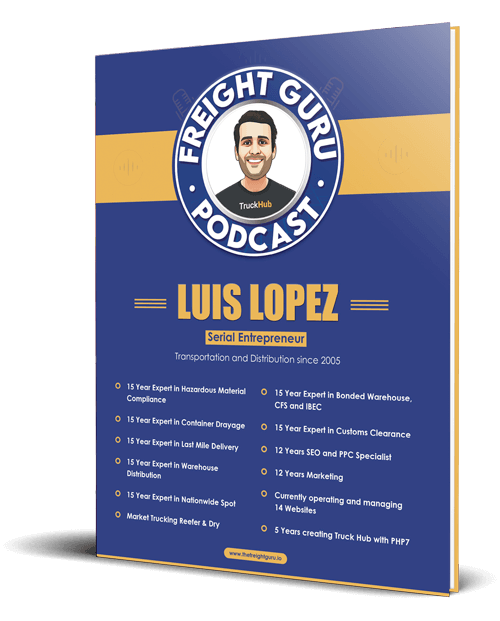
About the author: Luis Lopez is a Miami-based AI transportation consultant and logistics entrepreneur, the CEO of Go Hub.io Holdings Corp and subsidiaries, and host of the Freight Guru Podcast.