By Luis Lopez, AI transportation consultant, CEO of Go Hub.io Holdings Corp and subsidiaries, and host of the Freight Guru Podcast
Trucking is one of the most cyclical businesses there is. Rates that look permanent one year are gone the next, and companies that expanded at the top are often the ones selling trucks at the bottom. The pattern repeats because the causes repeat.
If you understand the cycle, you will not predict it perfectly. You will make better decisions than the people who assume this year will look like last year.
Why Freight Is So Cyclical
Truckload freight is close to a pure supply-and-demand market. Demand is the amount of freight shippers need moved. Supply is the number of trucks and drivers available to move it. Three features make the swings large:
- Low barriers to entry. When rates are high, new carriers get authority and existing fleets add trucks quickly.
- Slow exit. When rates fall, carriers hold on as long as they can, running at a loss before they park trucks or close.
- Fragmentation. Most trucking capacity belongs to small fleets and owner-operators, so nobody controls supply.
Supply always reacts late. It overshoots on the way up and takes a long time to correct on the way down.
The Four Phases
1. Tightening
Freight demand rises or capacity leaves, and trucks get harder to find. Spot rates move first. Carriers start rejecting contract freight that pays less than the spot market. Shippers notice loads sitting.
2. Peak
Spot rates sit well above contract rates. Shippers raise contract rates to secure trucks. Carriers are profitable, order equipment and hire. New authorities climb. This is when it feels like the good times will last, and when the next downturn is being built.
3. Loosening
The new trucks arrive just as demand levels off. Spot rates fall below contract rates. Shippers put freight out to bid and reset contracts lower. Carriers that bought equipment at peak prices feel it first.
4. Trough
Rates sit near or below operating cost for many carriers. Fleets shrink, authorities are revoked, used truck prices fall. Capacity slowly leaves until supply and demand come back into balance, and the next tightening begins.
A full cycle has often run a few years, but the timing is never clean. Outside shocks such as a pandemic, a fuel spike, a major regulation or a sudden change in trade policy can stretch a phase or cut it short.
The Signals Worth Watching
- Spot versus contract rates. When spot climbs above contract, the market is tightening. When it drops below, it is loosening.
- Tender rejections. The share of contract loads carriers turn down. Rising rejections mean carriers have better options.
- Load-to-truck ratios. Posted loads compared with posted trucks on the load boards.
- New and revoked authorities. A net loss of carriers over many months is how capacity leaves the market.
- Truck orders and used truck prices. Heavy ordering signals supply on the way. Falling used prices signal fleets shrinking.
- Diesel prices. Fuel is a small carrier’s largest variable cost, and a spike during a weak market speeds up exits.
- Consumer spending, inventories and imports. These drive freight demand. Container volumes at the ports give an early read on what will need a truck in the weeks ahead.
No single indicator is reliable on its own. Watch several and look for agreement.
How to Act in Each Phase
Carriers
- At the peak: pay down debt and build cash before adding trucks. Equipment bought at top prices has to survive the bottom.
- In the trough: protect your best customers, know your cost per mile, and do not haul freight that loses money on every load.
- Always: keep a mix of contract and spot freight so you are not fully exposed to either.
Shippers
- In a loose market: take the savings, but do not squeeze so hard that your carriers leave when the market turns.
- In a tight market: the shippers who paid on time and loaded quickly get trucks first. See questions to ask before hiring a carrier.
- Always: understand what drives your quote. I broke that down in what affects freight quotes.
Brokers
- When the market turns up: contract commitments made at low rates become expensive to cover. Price with the cycle in mind.
- When it turns down: margins widen for a while, then customers rebid. Relationships on both sides matter more than any single quarter.
Does Technology Smooth the Cycle?
Better data and AI pricing tools help individual companies see a turn sooner and reprice faster. They do not change the underlying causes. As long as it is easy to add trucks and painful to remove them, the freight market will keep overshooting in both directions.
The Bottom Line
The cycle is not a surprise. It is the normal behavior of a market with easy entry and slow exit. Decide what you will do in each phase before you are in it, keep your costs honest, and treat the people you depend on well enough that they are still there when the market turns.
For where things stand now, see the 2026 freight market outlook.
For more analysis of the freight market, subscribe to the Freight Guru Podcast.
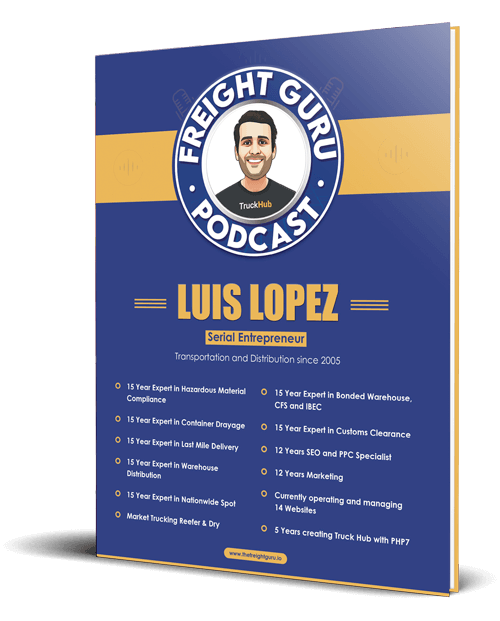
About the author: Luis Lopez is a Miami-based AI transportation consultant and logistics entrepreneur, the CEO of Go Hub.io Holdings Corp and subsidiaries, and host of the Freight Guru Podcast.